Lovable Cloud: Expensive and Opaque at Scale
We built a fully functional community TODO app using Lovable, conducted realistic performance tests, and compared the true cost of hosting. The results highlight important considerations for founders building production-ready applications.
Lovable is a powerful AI-powered development platform that enables rapid prototyping and application generation. However, its cloud hosting solution reveals significant cost challenges as soon as real usage begins. Particularly around opacity in cost breakdowns and a lack of effective tooling to monitor, analyze, and optimize spending.
The Experiment Setup
We started with a one-time payment of $25 in Lovable credits, which provided 105 credits for development.
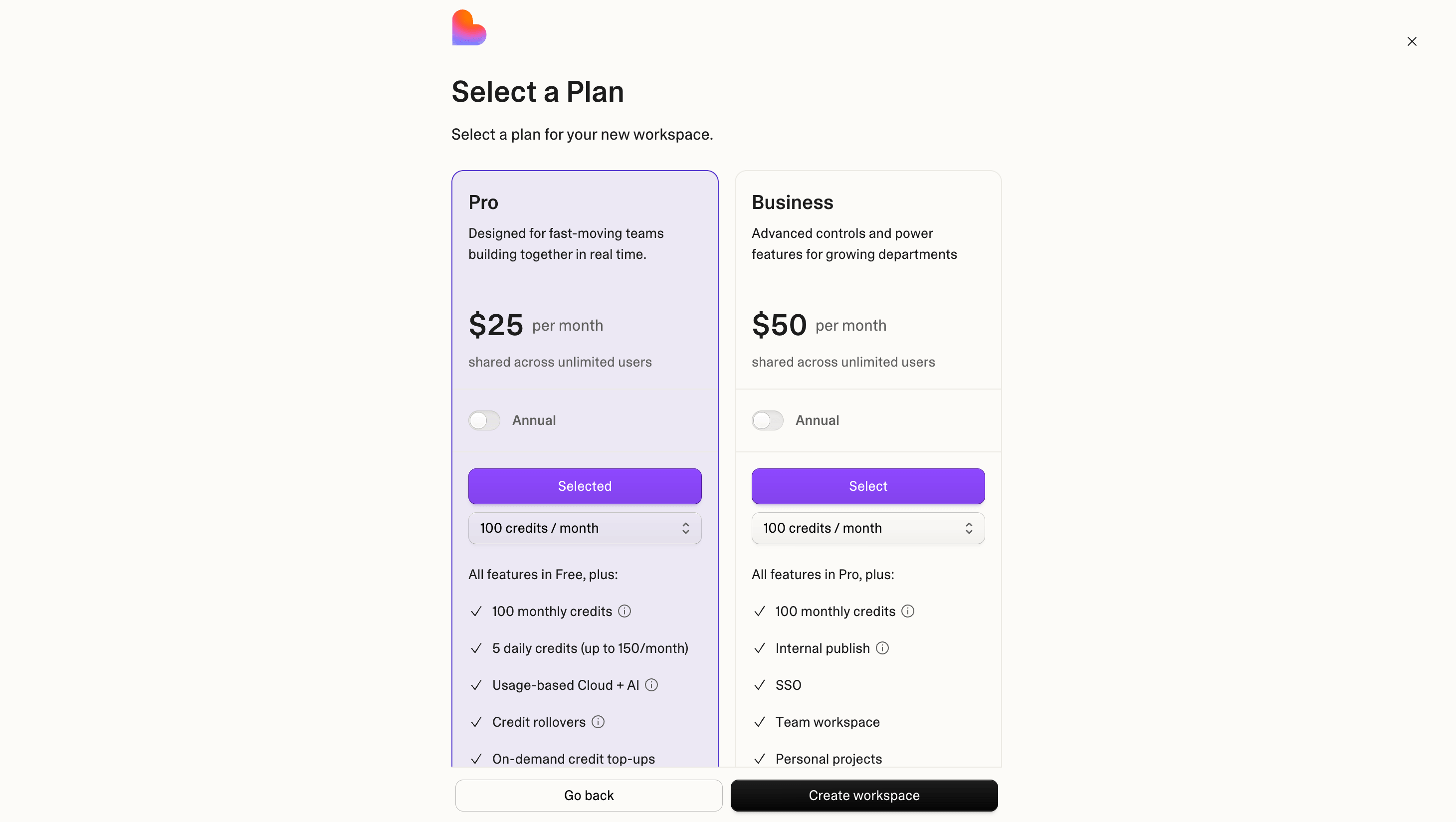
Lovable's pricing page
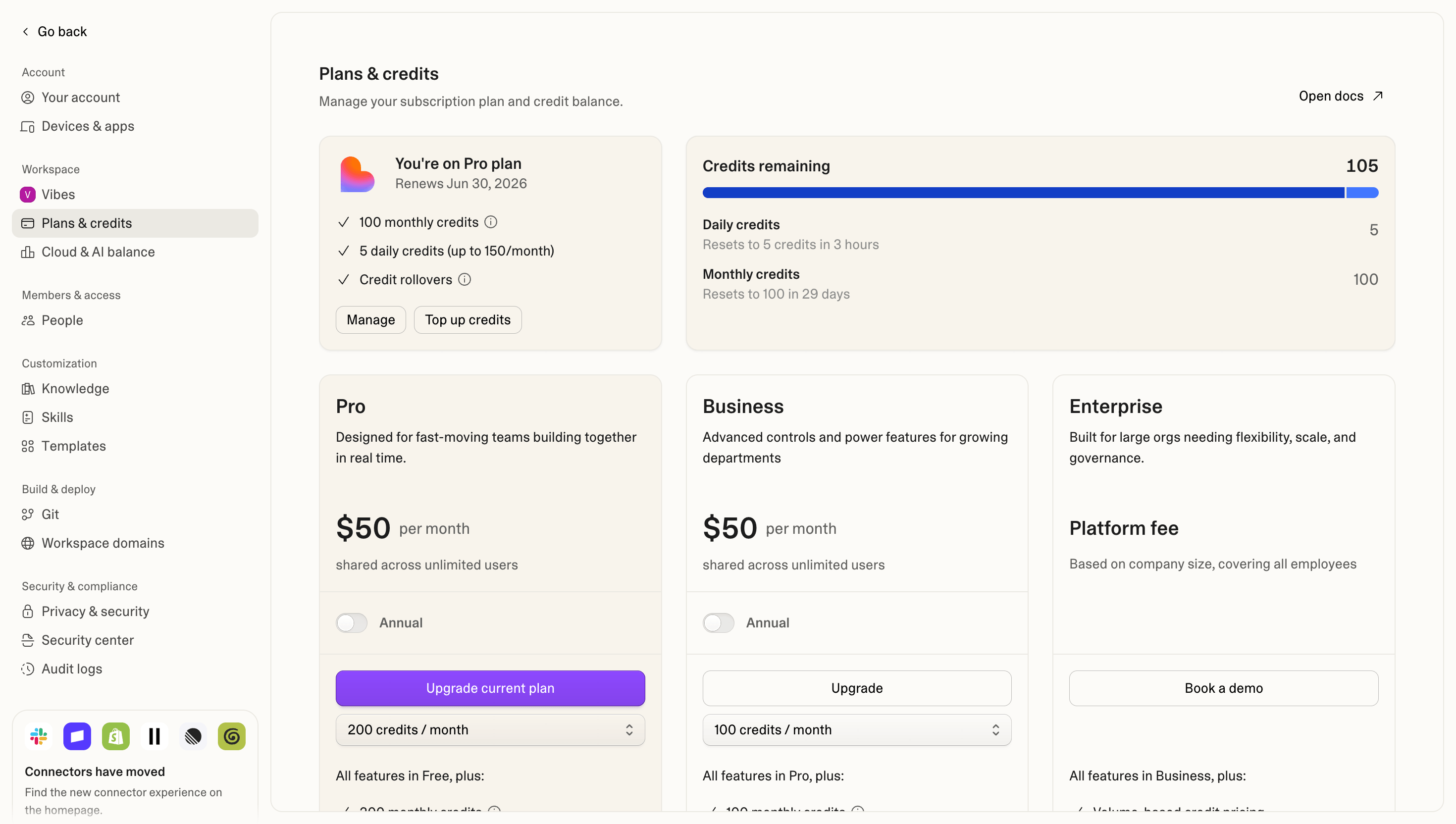
Lovable's credits worth $25
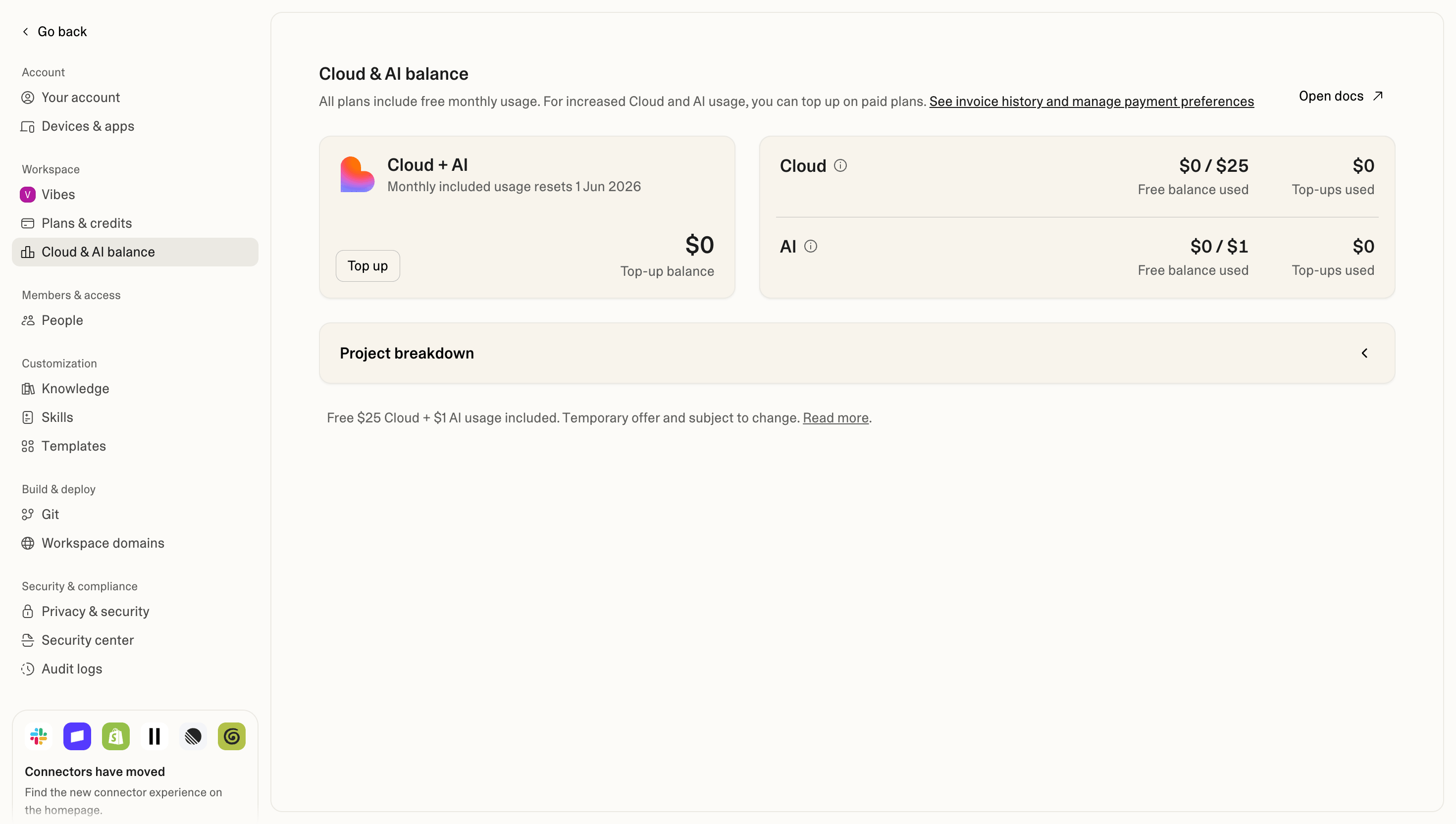
Lovable Cloud credits
Using a detailed prompt, we built a complete community-driven TODOs application where users can sign up, create public TODO lists with names and images, add and remove items, suggest improvements to others' lists, and upvote popular templates.
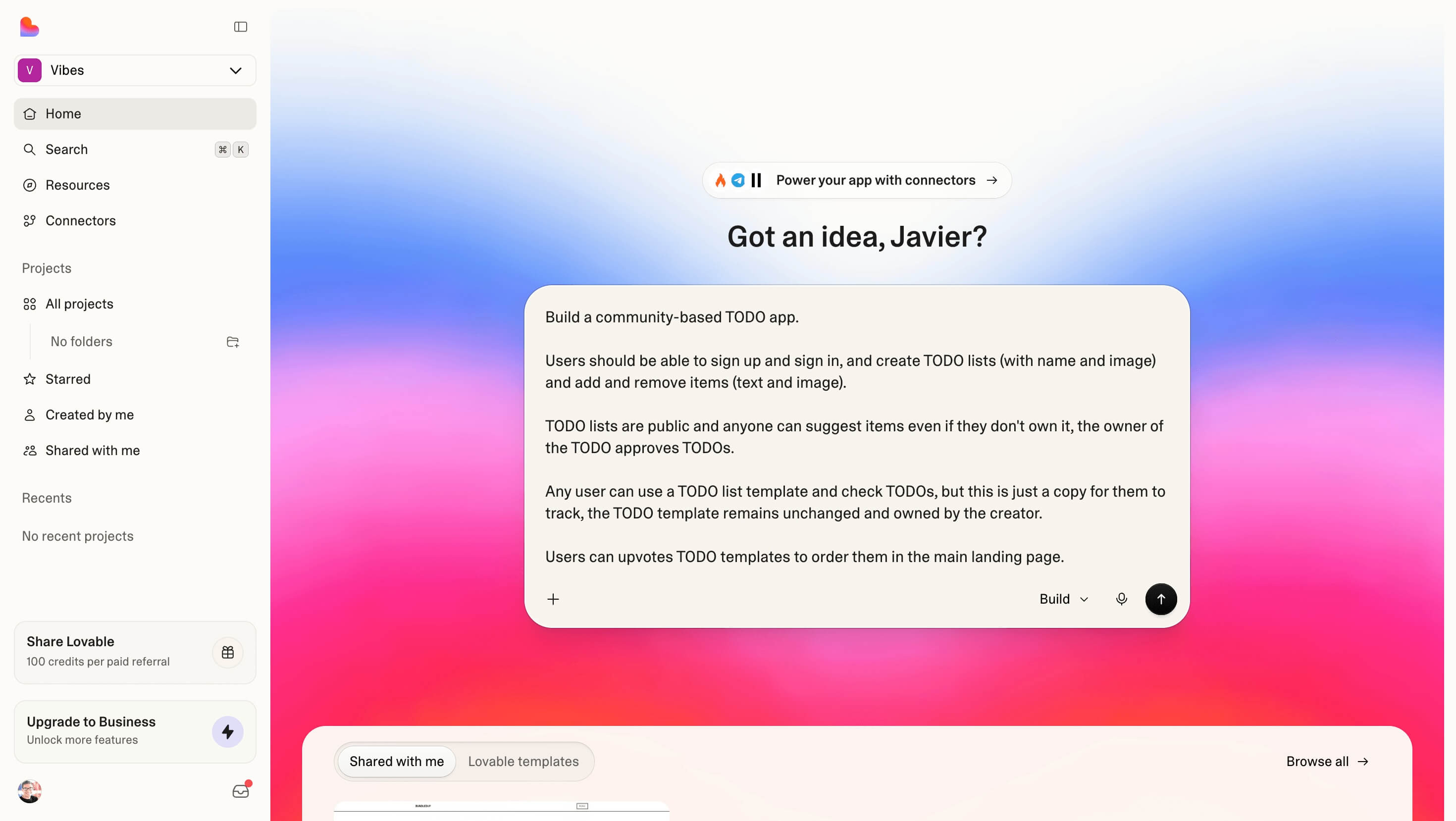
The Lovable prompt used to create TODOs app
Build a community-based TODO app.

Users should be able to sign up and sign in, and create TODO lists (with name and image) and add and remove items (text and image).

TODO lists are public and anyone can suggest items even if they don't own it, the owner of the TODO approves TODOs.

Any user can use a TODO list template and check TODOs, but this is just a copy for them to track, the TODO template remains unchanged and owned by the creator.

Users can upvotes TODO templates to order them in the main landing page.
The development process was impressively fast, the core application was generated using approximately 4.5 credits. This demonstrates Lovable’s strength as a rapid prototyping tool.
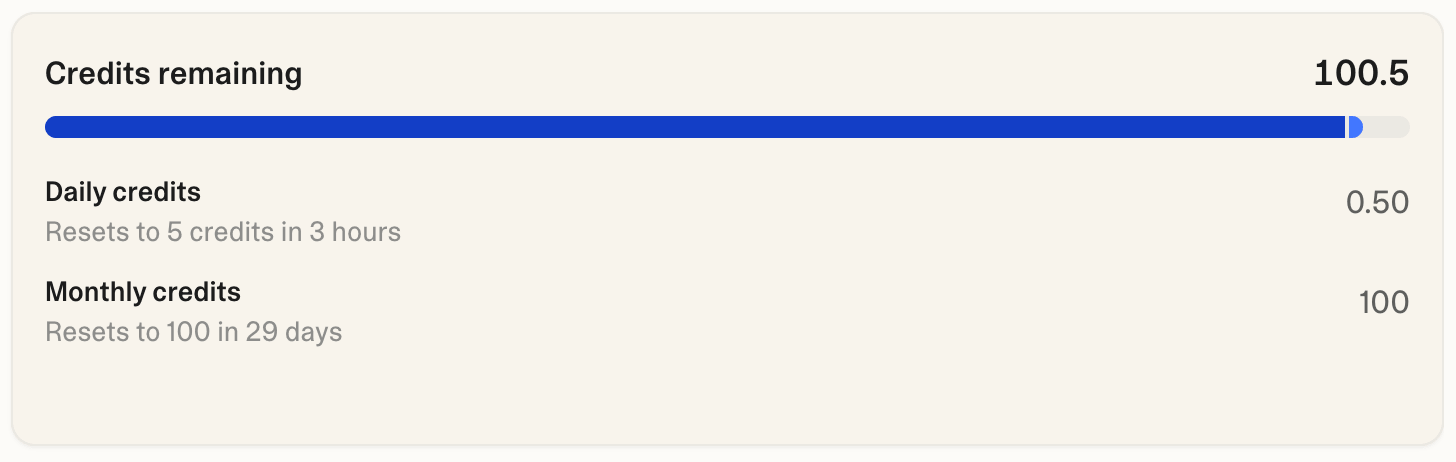
Remaining Lovable credits after TODOs prompt
The Resulting TODOs App
Here is the live application generated by Lovable from our prompt. It includes user authentication (email + Google), public TODO lists with custom cover images, collaborative item suggestions (with owner approval), template upvoting, and the ability for any user to adopt a template as their personal copy.
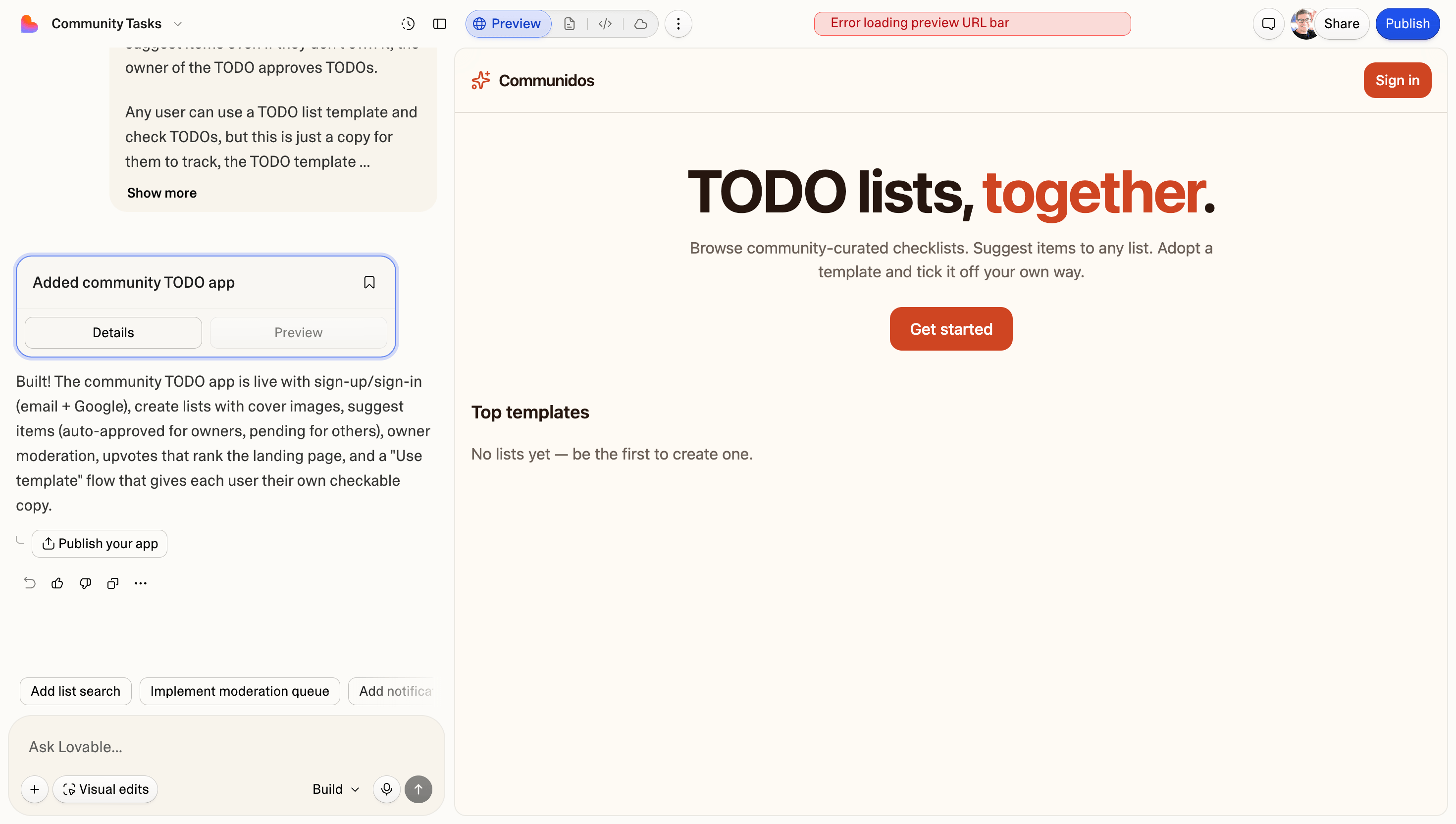
Landing page of the generated TODOs app
Real-World Testing
After building the app, we spent approximately 10 minutes performing manual testing. At a rate of $120 per hour, this already represented nearly $20 in time investment, approaching the entire initial Lovable budget allocated for the project. Notably, the cost of testing the application exceeded the cost of building it by several orders of magnitude.
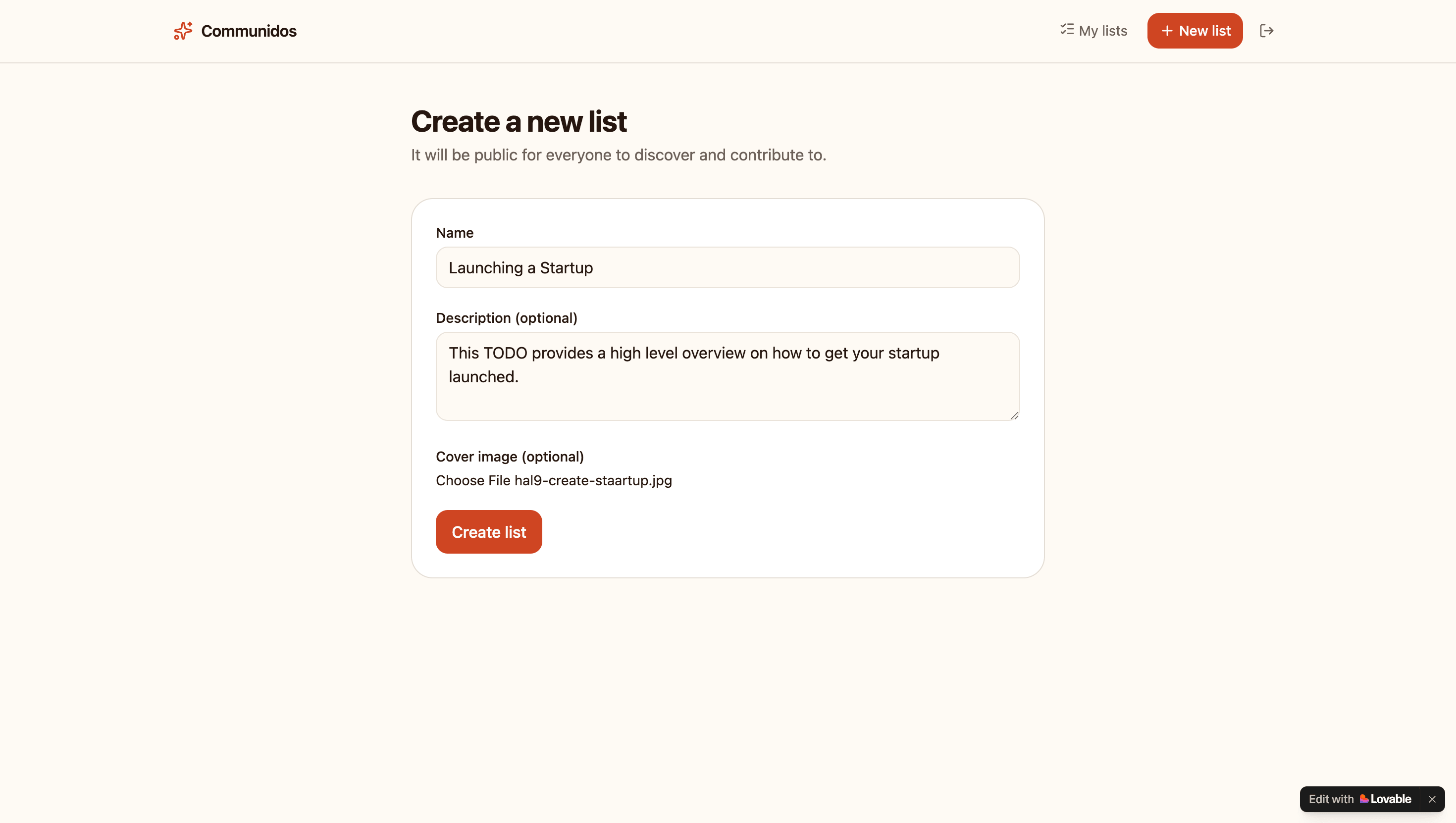
Testing by creating a new TODO list
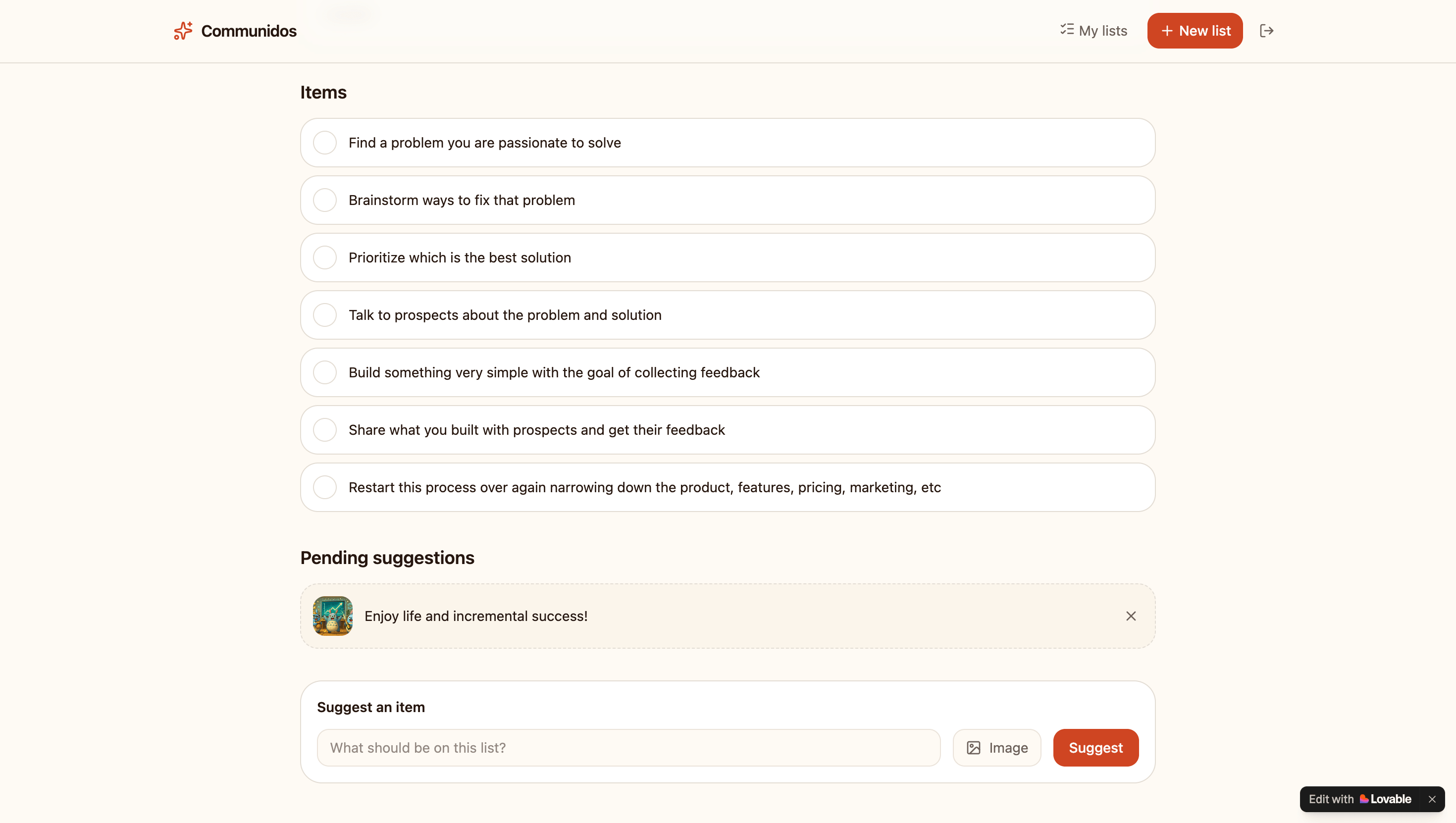
Testing by creating TODOs
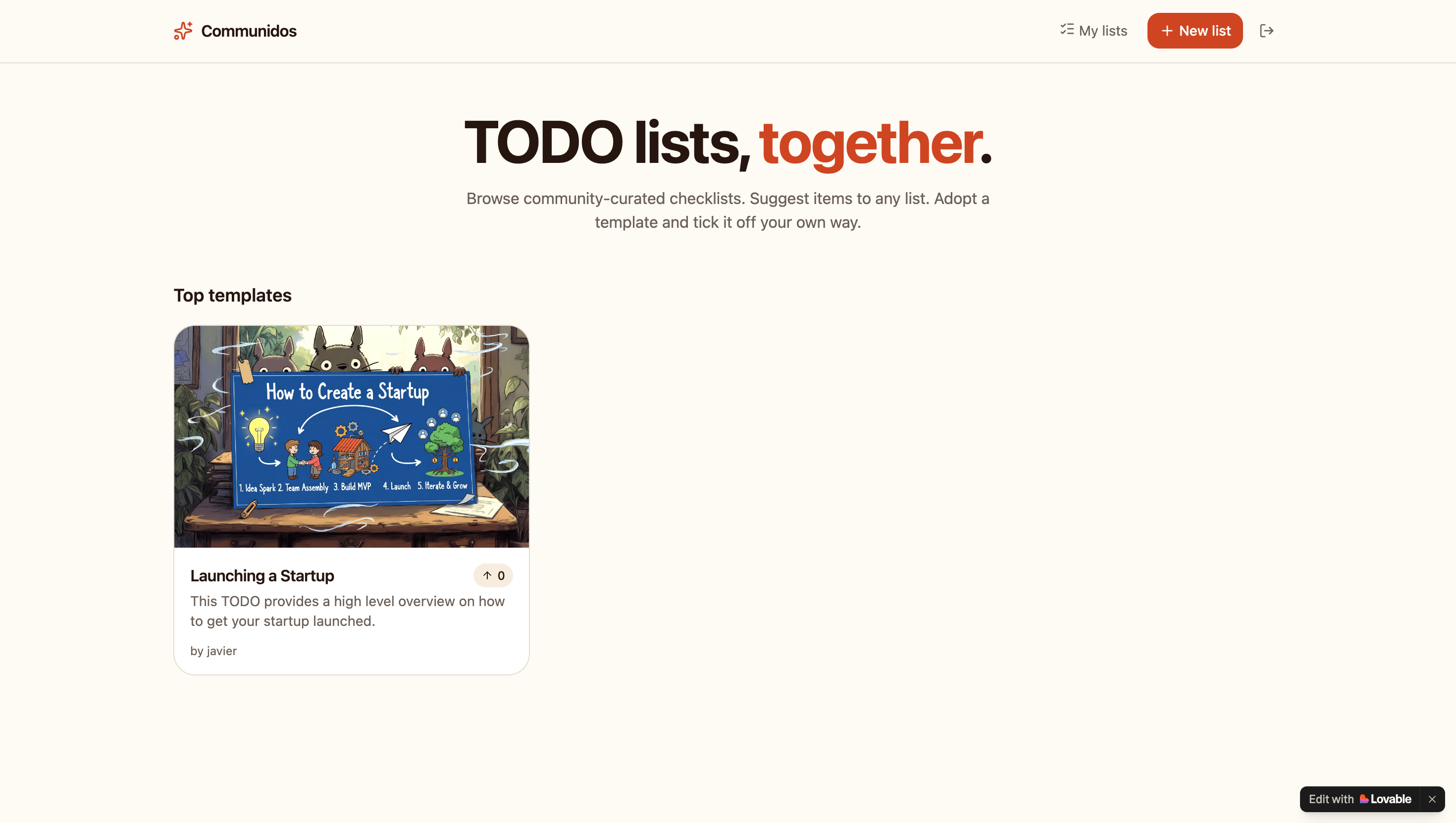
Testing TODOs completed with real data
User-Based Performance Testing
We then conducted a controlled load test using LoadView , simulating 7 concurrent users performing a total of 184 page loads and interactions. After waiting 24 hours for Lovable’s daily cloud credit reconciliation, the reported cloud compute cost was $0.04 .
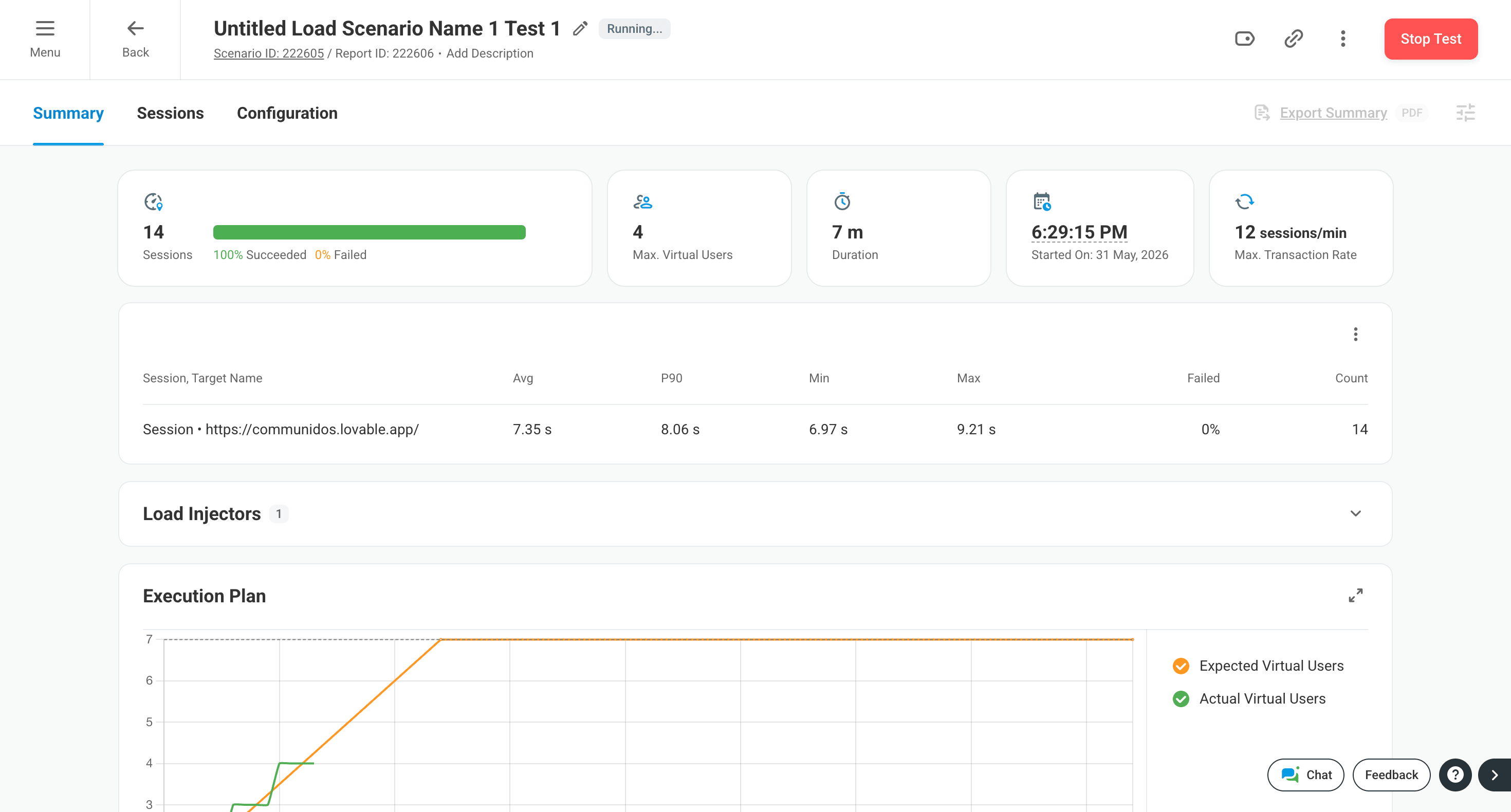
Perf testing with 7 users and 7 minutes
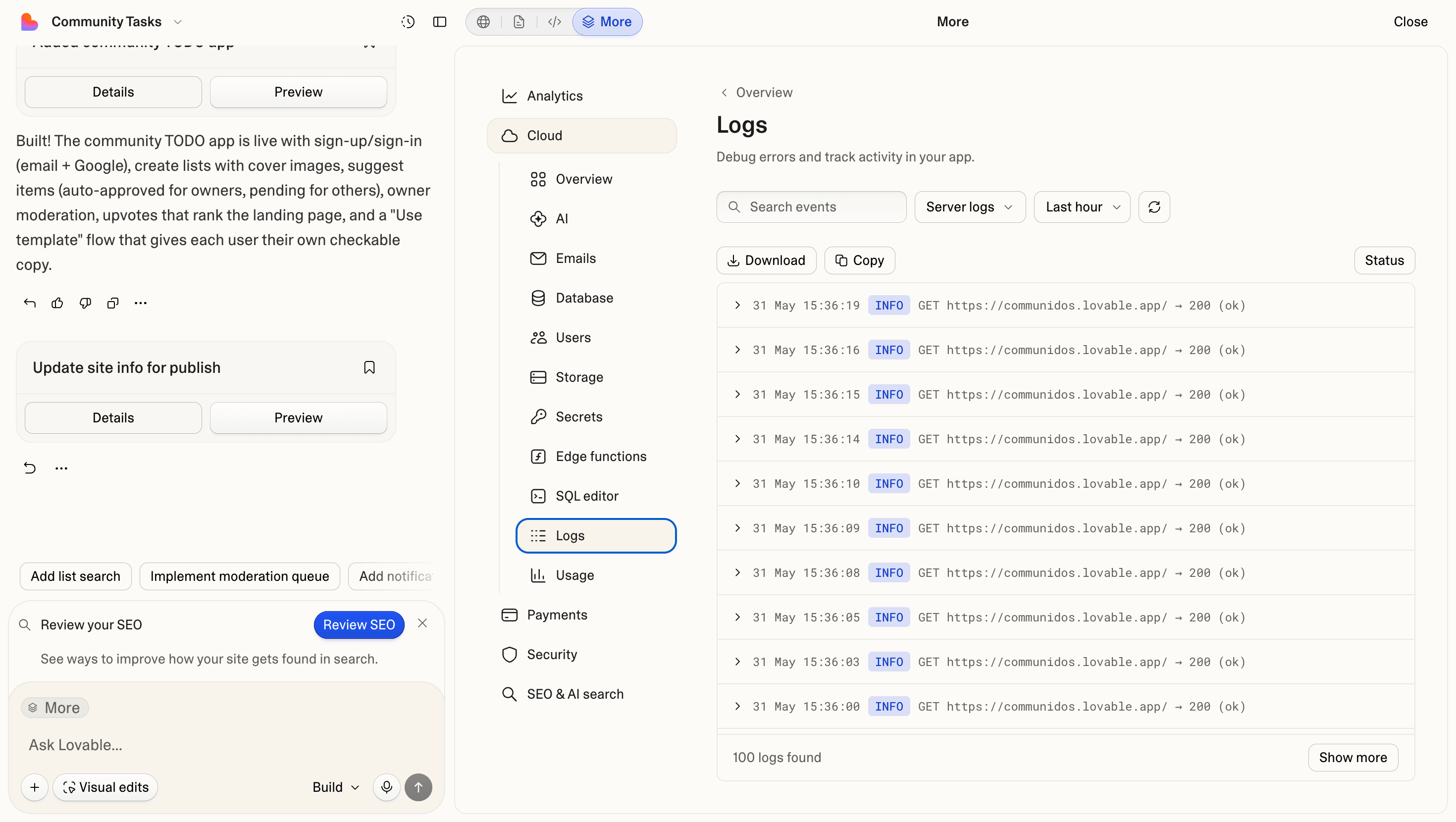
Lovable Cloud logs confirm perf testing
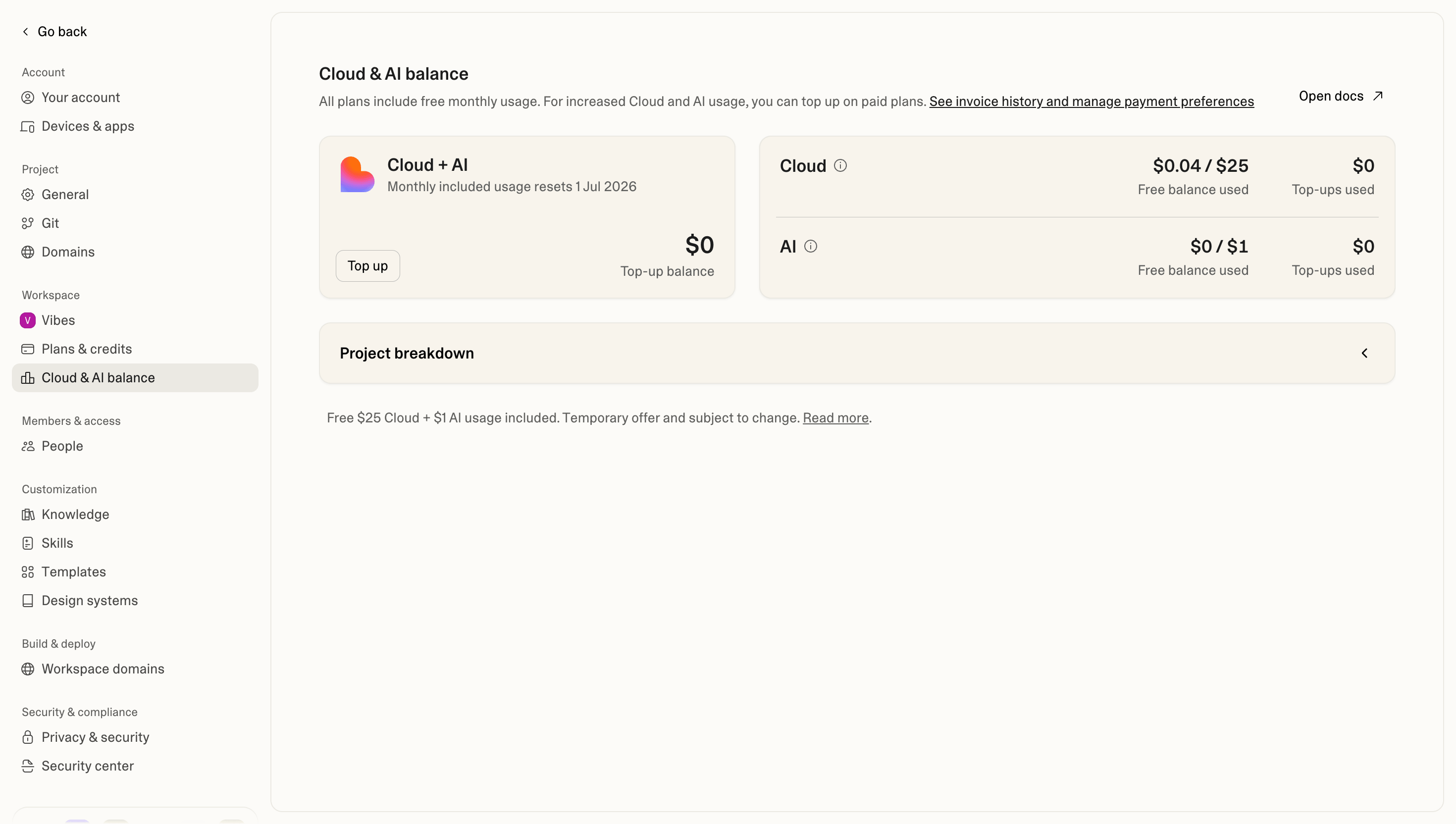
Lovable Cloud reports $0.04 for perf test
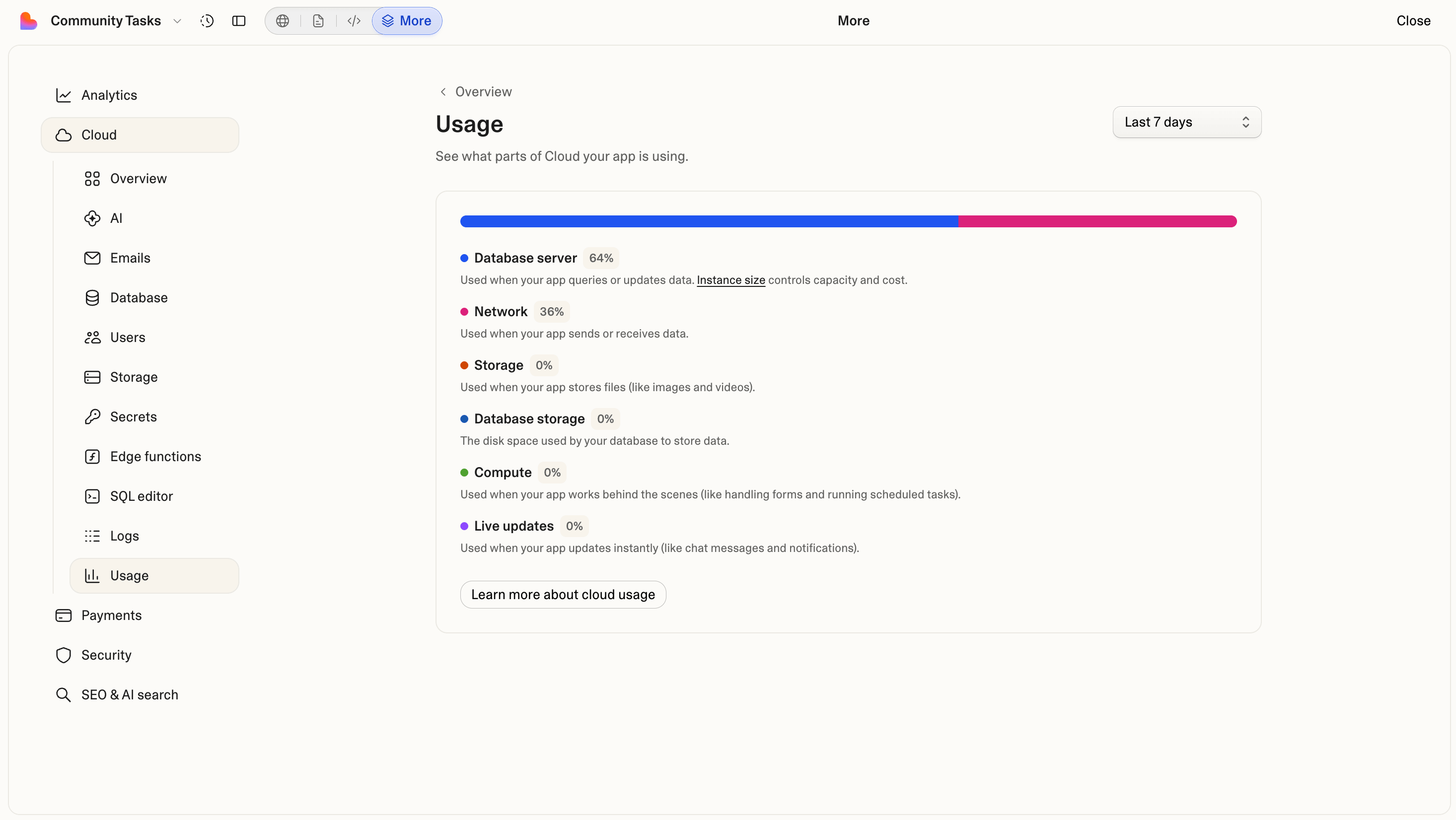
Mostly database costs for perf test
On the surface, this amount appears negligible. However, these 184 user sessions consisted of extremely light activity, simply loading the page and clicking a single button. As applications grow in complexity, attract more users, and see higher engagement, these costs can increase dramatically.
When you consider real-world conditions (including web crawlers, AI agents, search engine bots, and genuine user traffic) even modest adoption can quickly drive up expenses. What makes the situation particularly challenging is Lovable Cloud’s lack of transparency: there is limited visibility into database usage, no real-time cost data, and a general absence of proper cost exploration and monitoring tools.
This opacity makes it extremely difficult, often nearly impossible, for engineers to diagnose issues, understand cost drivers, and optimize spending effectively.
Lovable Cloud Lacks Automatic Migration
To explore better long-term options, we stated migrating the application from Lovable Cloud to a self-managed stack using Supabase (the same backend powering Lovable Cloud) and Vercel for frontend hosting.
Unfortunately, Lovable provides limited assistance when attempting to migrate away from their cloud platform. Their official response highlights a key constraint:
“Unfortunately, once Lovable Cloud has been enabled on a project, it can't be disconnected or swapped for a separately-connected Supabase project.”
— Official Lovable response when attempting to migrate
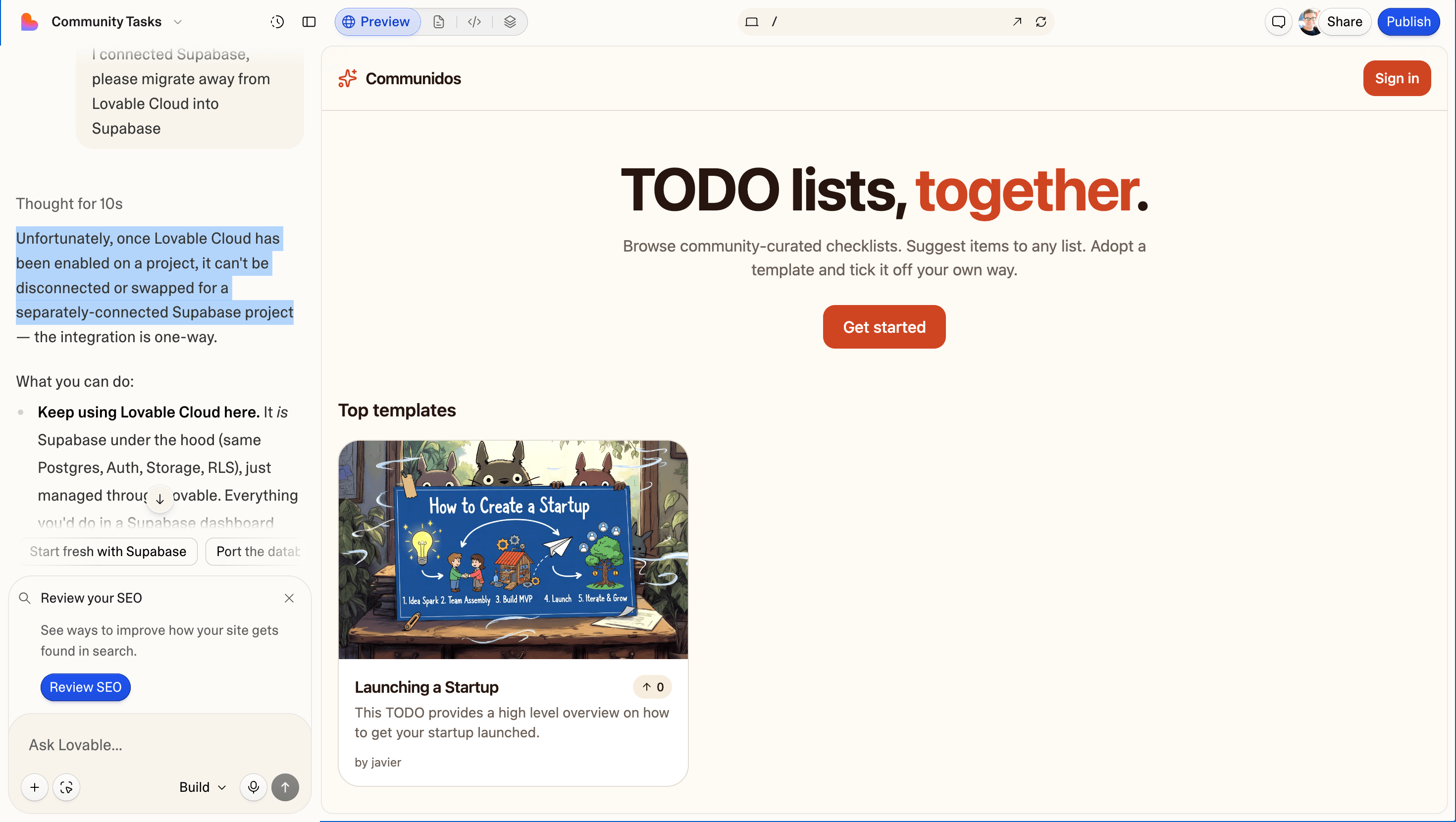
Lovable does not support migrating to Supabase
Lovable Cloud Manual Migration
First, we connected the Lovable project to GitHub, a smooth process that Lovable handles well. From there, we took ownership of the codebase and began the migration manually. Using Grok, we generated the necessary deployment scripts and configuration for Supabase. We then created a new Supabase project, set up the required environment secrets, and deployed the application through Vercel.
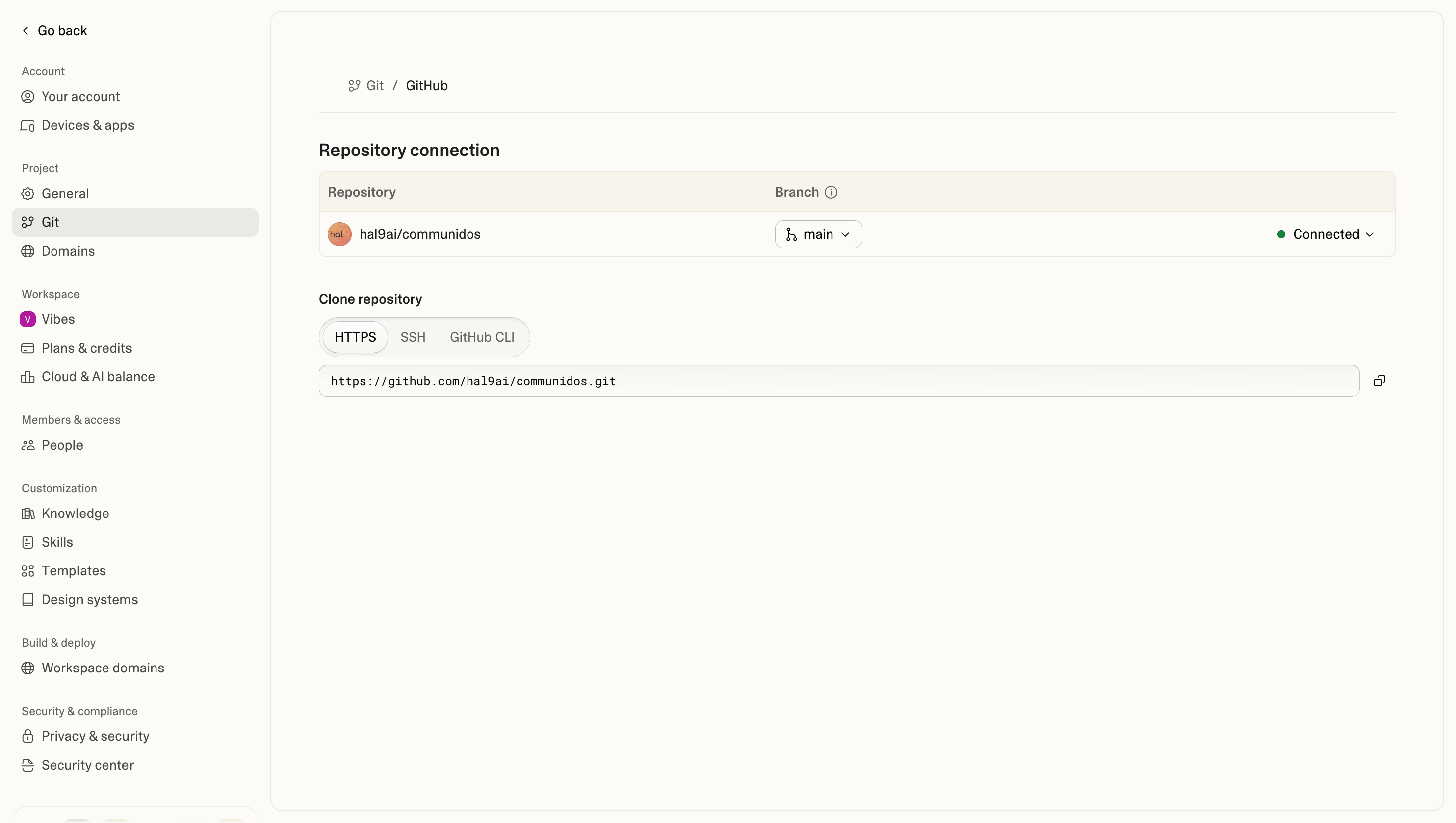
Connecting Lovable to Github
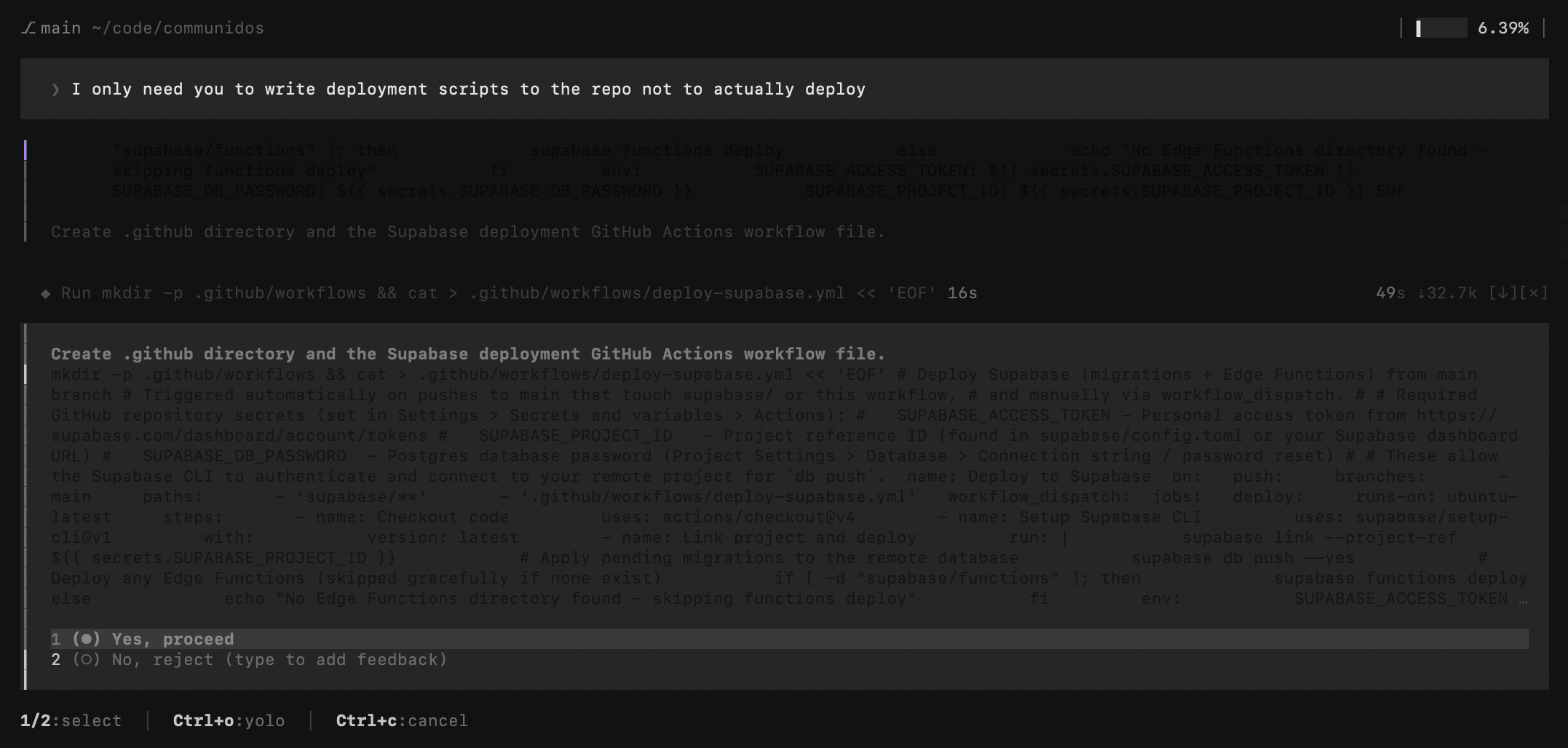
Grok Code console generates Supabase deployment scripts
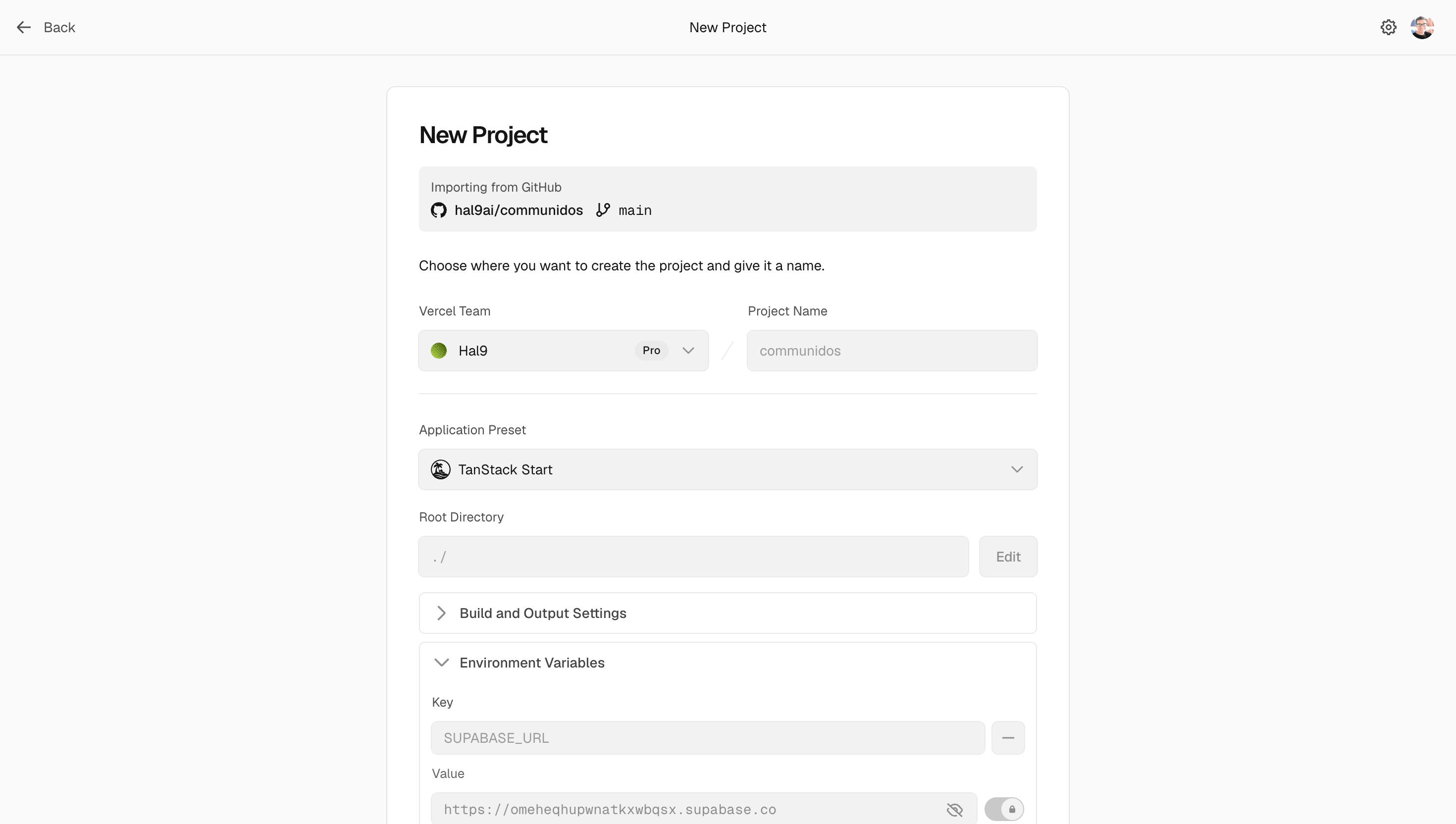
Vercel configuration from Github repo
After resolving several deployment issues, the frontend loaded correctly and the database migration
completed successfully. The application was now running on Vercel + Supabase. However, we quickly
discovered a significant challenge: all authentication flows were broken, including Google OAuth.
Lovable uses a proprietary
~/oauth/initiate
endpoint that is not available in a standard Supabase setup. This required switching the authentication
provider from Lovable’s wrapper to native Supabase Auth.
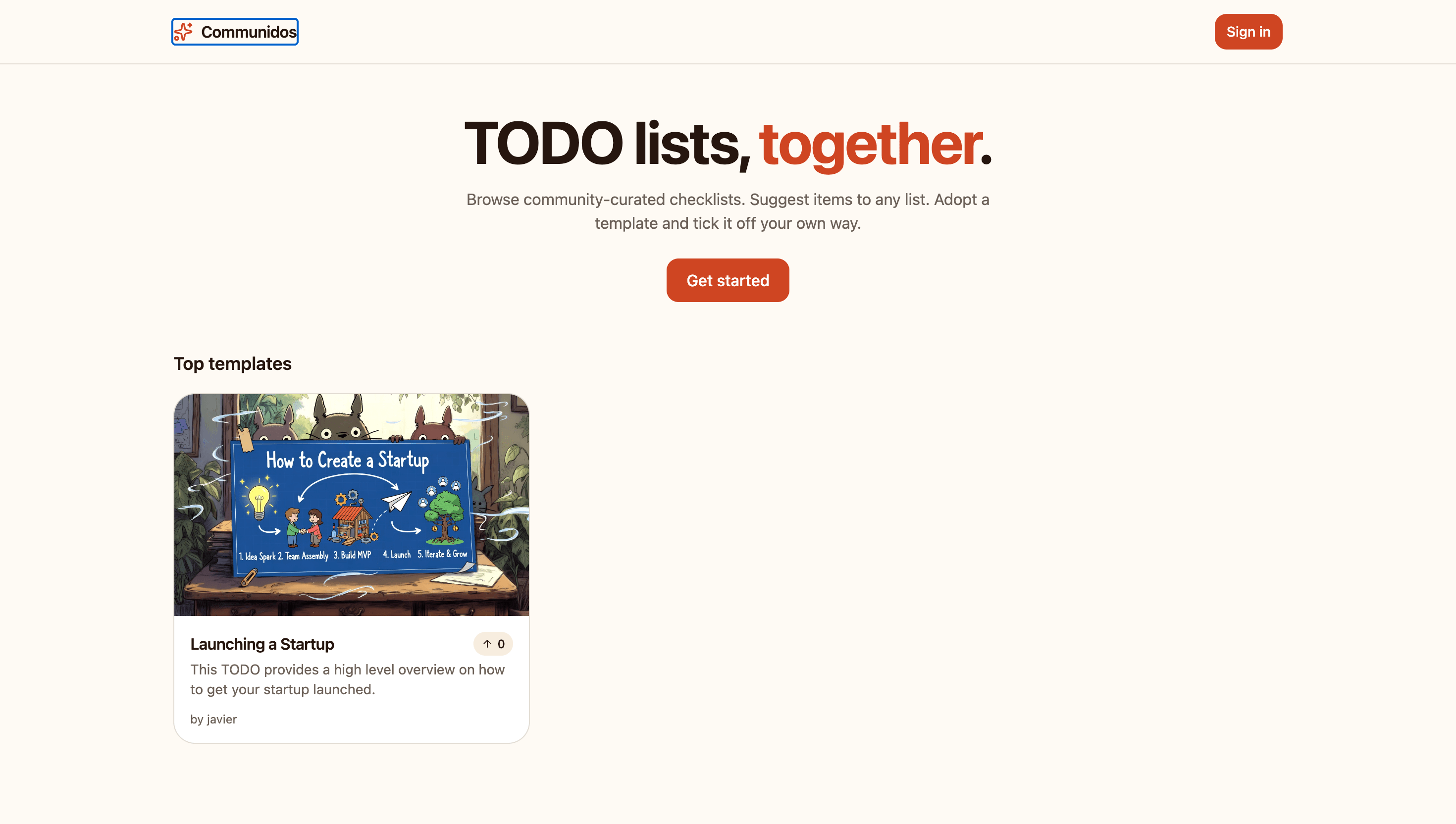
TODOs app migration to Vercel + Supabase completed
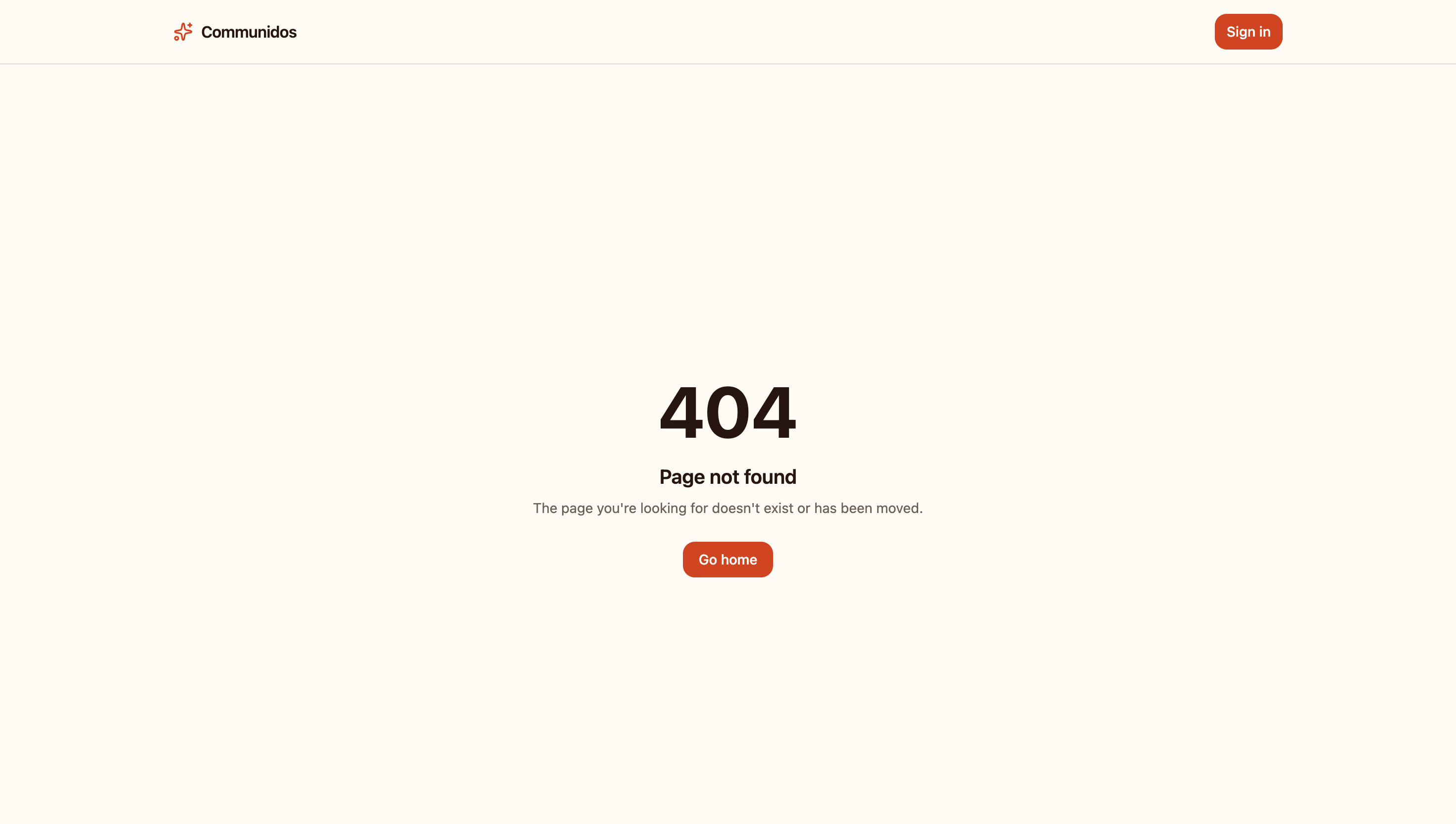
TODOs app experienced authentication issues
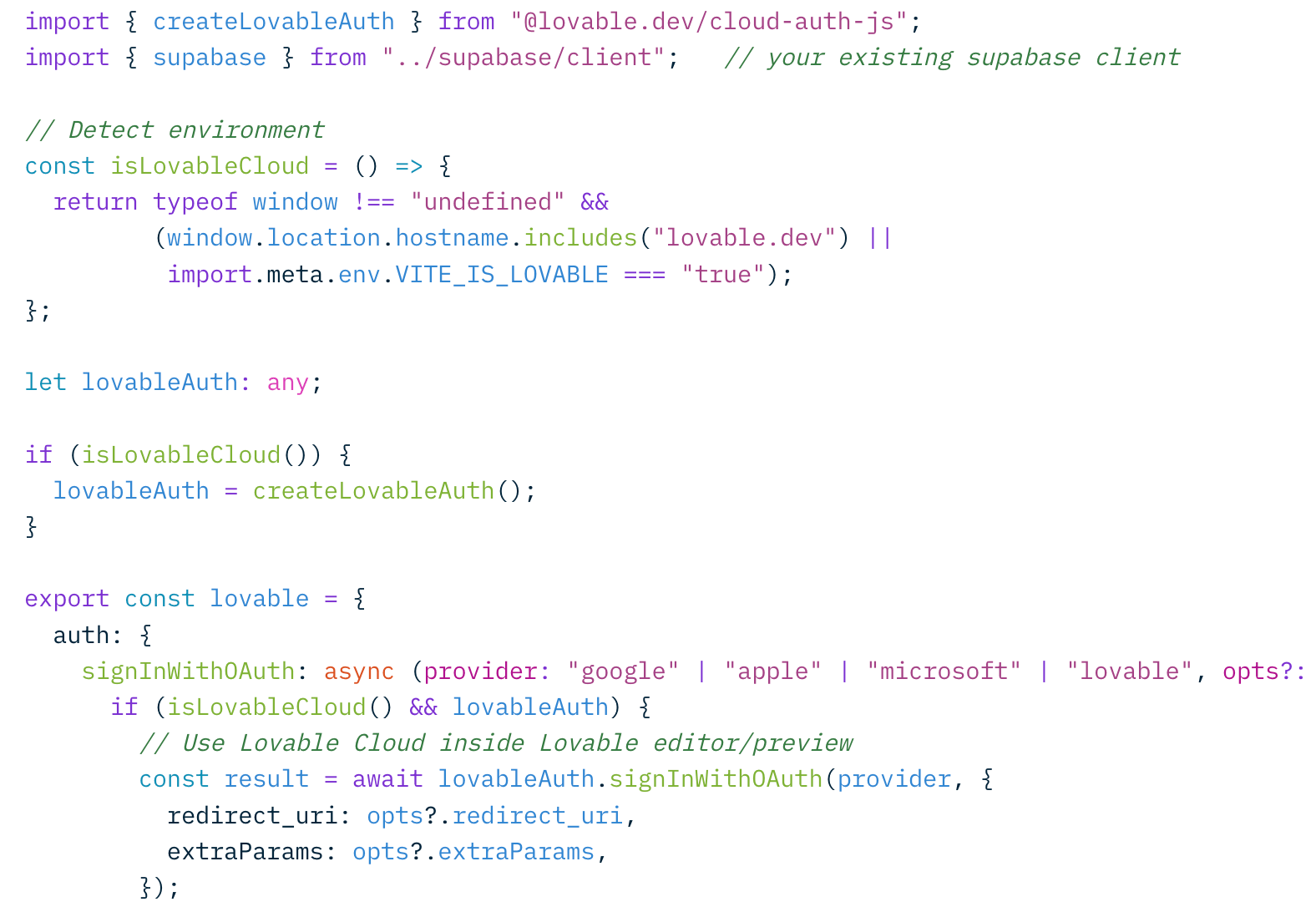
Adding support for Lovable and Supabase authentication
Once authentication was resolved and the connection between Vercel and Supabase was fully validated, we were able to run a new round of load tests with full visibility into backend performance and costs.
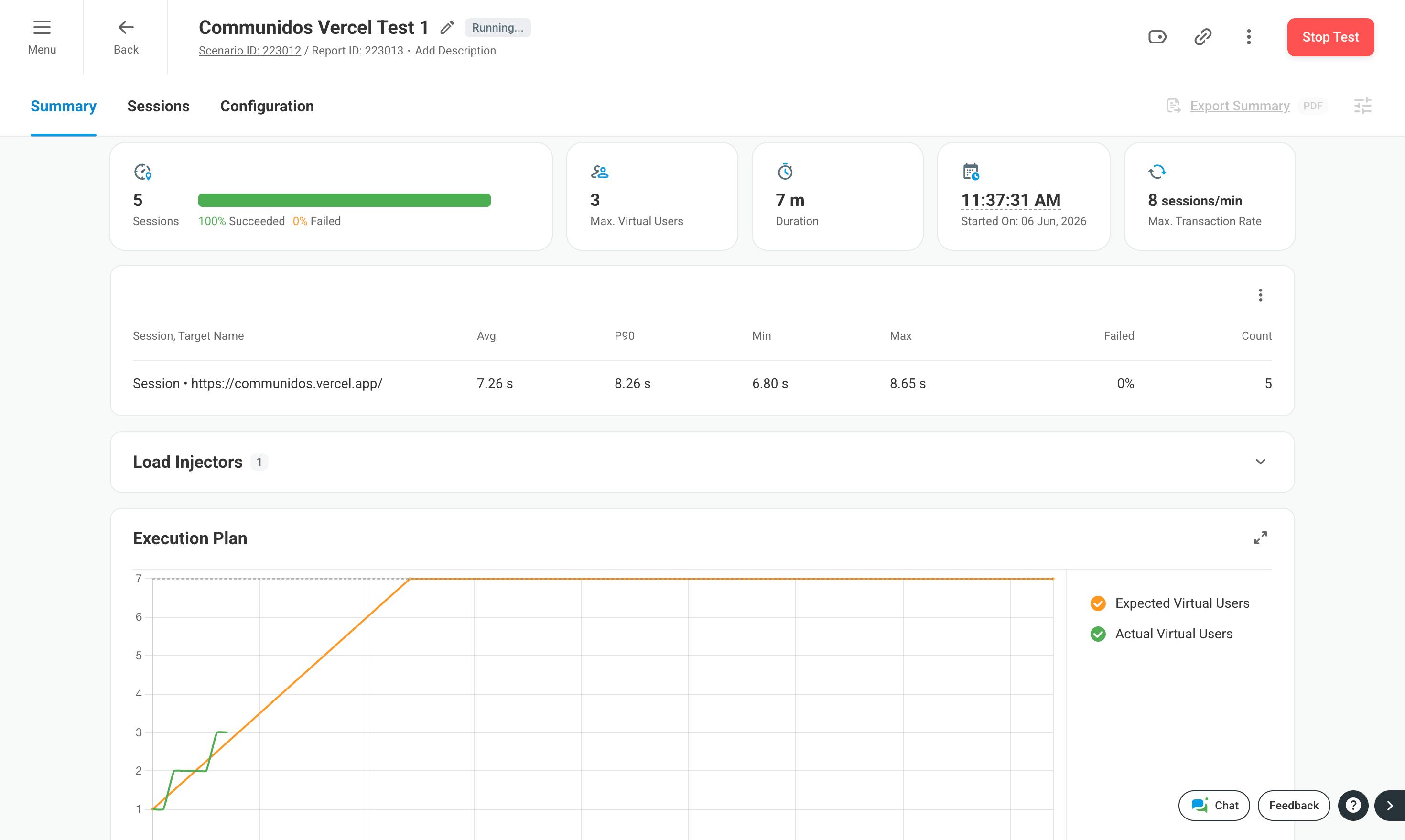
Running user-based tests after migration
Cost Structure and Capacity
Vercel’s hosting costs for the static frontend are negligible. The primary expense comes from the Supabase backend. We are currently using a dedicated micro instance (shared 2-core ARM CPU with 1GB memory) priced at approximately $10 per month .
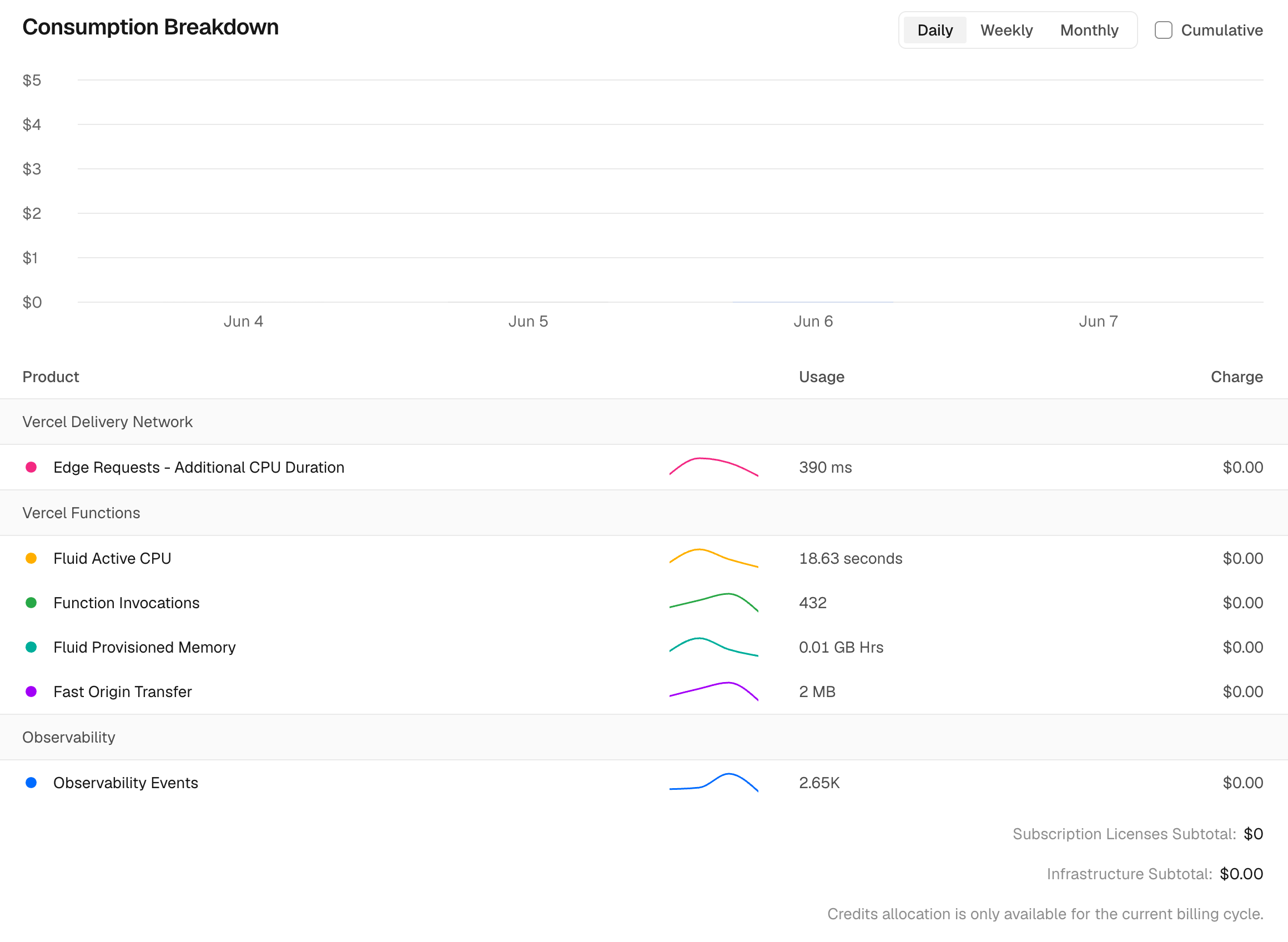
Vercel registers no cost for the tests we performed
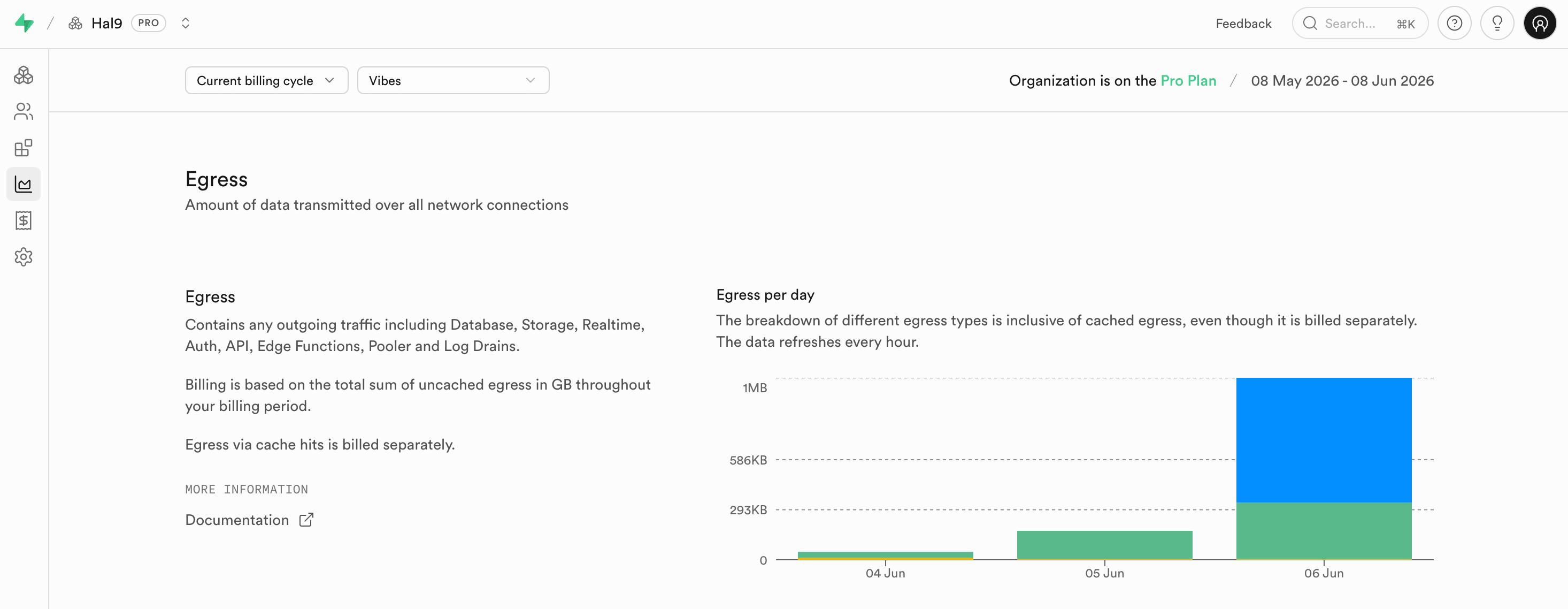
Supabase monitors usage with bill flat at $10 / month
The project does use a few Vercel functions for specific routes, but the usage is low enough that it does not register any meaningful cost. Additionally, an engineer can always configure the frontend as a fully static application to avoid Vercel functions altogether.
Stress Testing: Supabase vs Lovable Cloud
To better understand the true capacity and cost differences, we shifted our testing methodology. Instead of simulating users through a browser, we directly called the backend APIs at high volume (measuring Requests per Second) to push Supabase toward maximum utilization, then compared the results with Lovable Cloud.
Initial tests with 10 concurrent API requests showed that Supabase handled the load effortlessly.
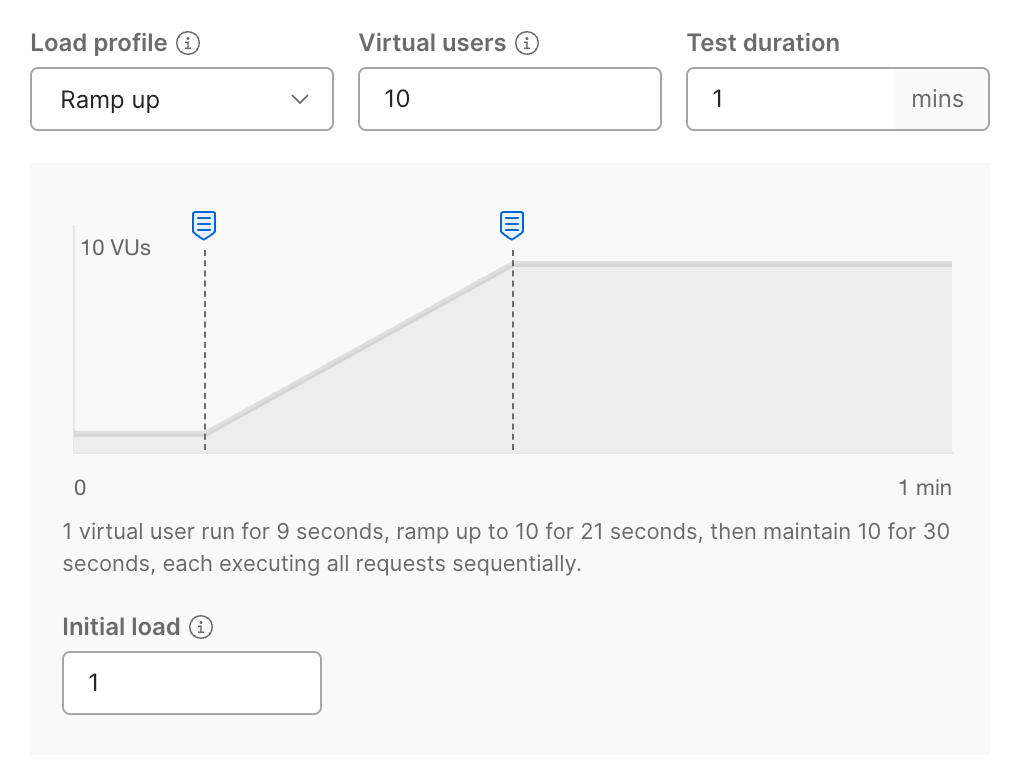
Configuring Postman to perform 10 RPS
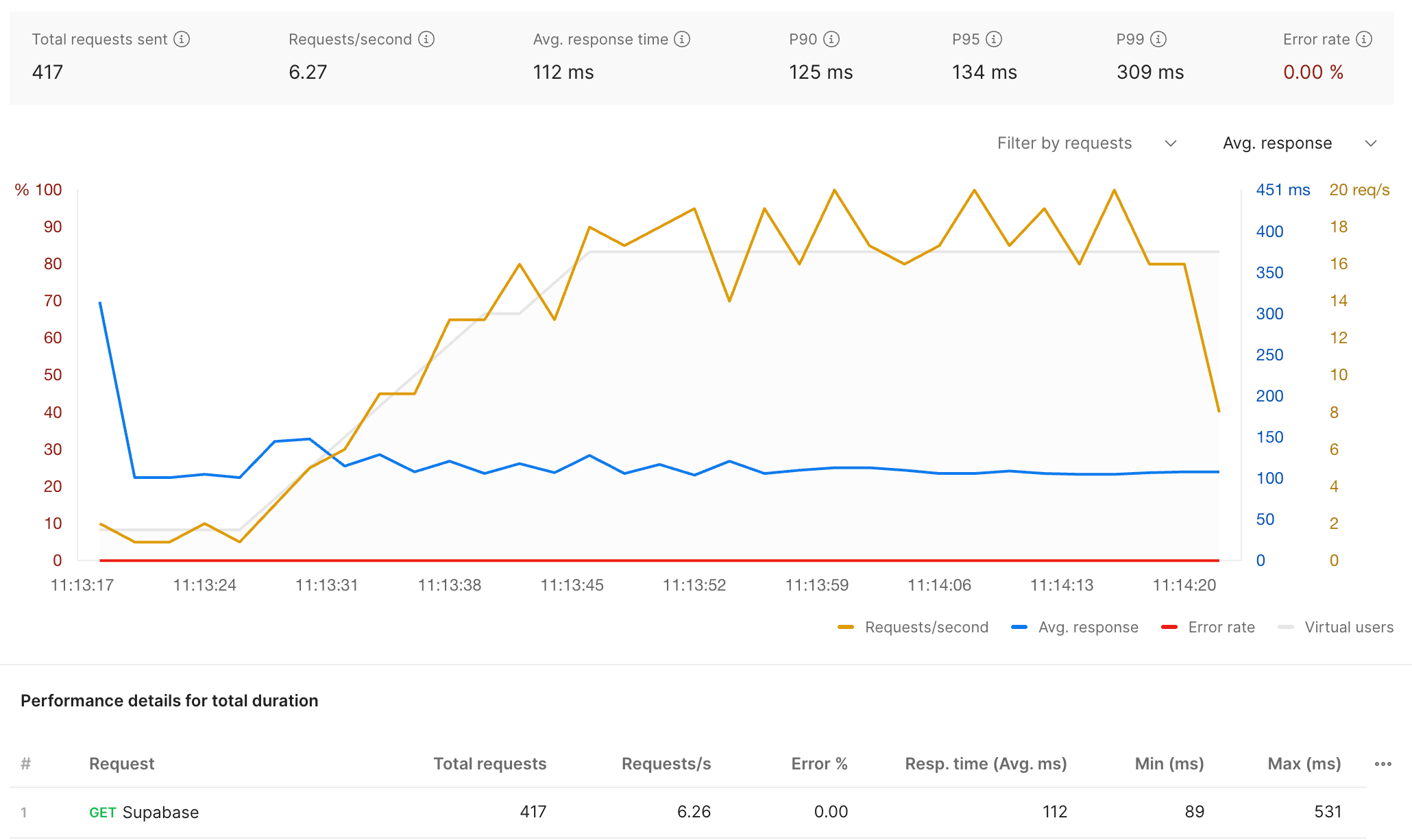
Postman reports success at 10 RPS
It’s important to note that these direct API calls represent significantly more activity than typical user sessions. In our earlier browser-based test, each user session (page load + clicks) generated approximately 13 Supabase requests and took around 20 seconds.
With this in mind, 417 API requests per minute translates to roughly 32 user sessions per minute, or approximately 10 concurrent users actively browsing the application. Assuming steady traffic with each user spending one minute on the site, this equates to about 446,400 users; or 1.5 million user sessions, per month.
Half a million requests can run for $10 per month on Supabase.
Pushing the Limits Further
We then increased the number of concurrent requests to test the practical limits of the Supabase micro instance. While response times rose slightly toward the end of the test, the instance handled the load reliably.
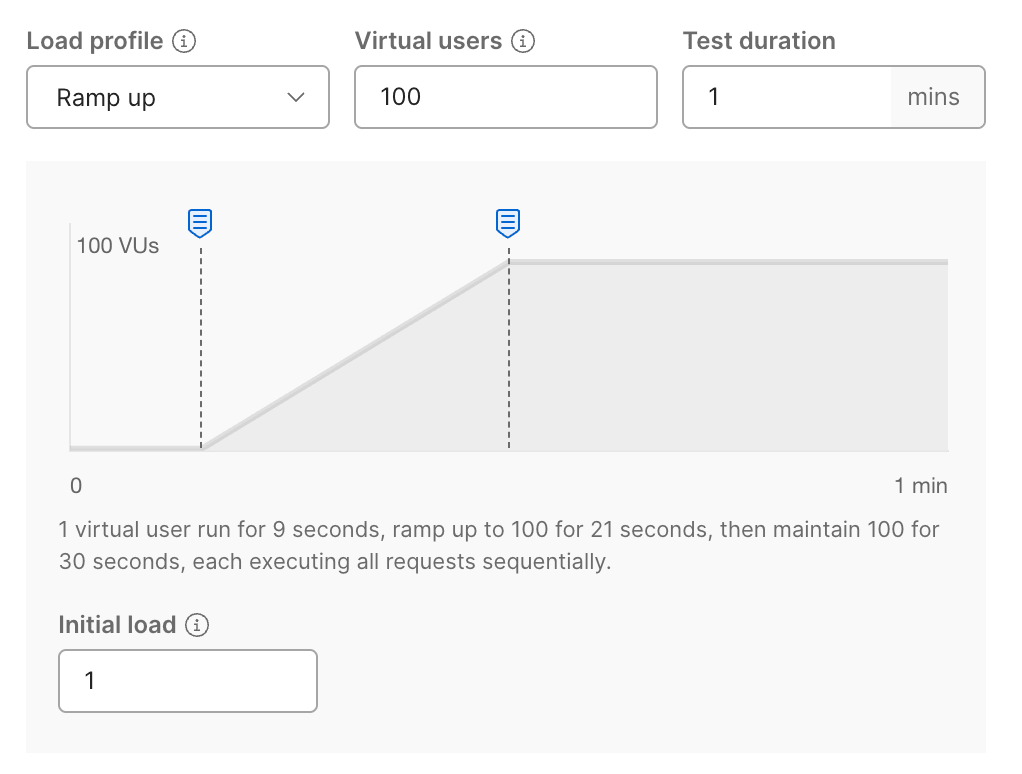
Configuring Postman to perform 100 RPS
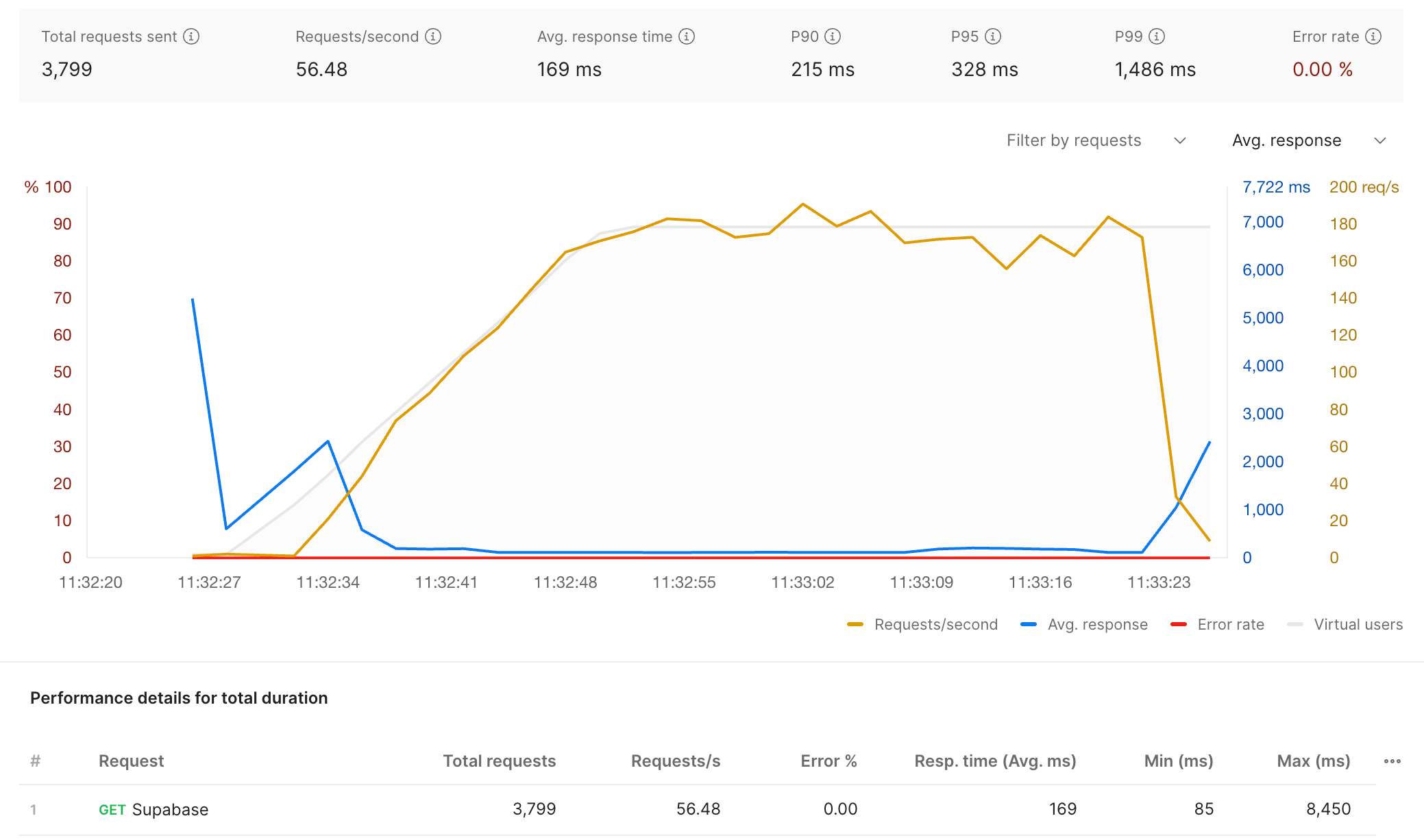
Postman reports success at 100 RPS
This higher throughput demonstrated that a single $10/month Supabase micro instance could support approximately 15 million user sessions per month, making Lovable Cloud significantly more expensive for equivalent production traffic.
“Lovable is fantastic for speed, but production applications require thoughtful infrastructure decisions. Planning for scale from day one prevents painful surprises later.”
Key Insights for Founders and Teams
- • Prototyping Power: Lovable excels at quickly generating functional applications, making it an excellent choice for initial validation and demos.
- • Cost Management: Cloud hosting costs can escalate rapidly once real usage begins. While high-level component breakdowns (in percentages) are available, significant opacity remains in the details; particularly around database requests, combined with a 24-hour delay in billing reconciliation. This provides limited visibility into which specific requests, queries, or operations are driving usage and costs, making it difficult to diagnose issues and optimize spending effectively.
- • Migration Feasibility: Exporting to GitHub and deploying on Supabase + Vercel is achievable with moderate effort, providing significantly better cost predictability and control.
Note:
Performance and cost benchmarks are highly dependent on your specific application; including usage
patterns, complexity, data volume, reliability requirements, traffic characteristics, and many other
variables.
This analysis uses simplified, controlled tests and conservative assumptions to establish a clear
baseline for comparison. While we strived for objectivity, real-world results will vary based on your
unique workload.
Why This Matters for AI Product Development
At Hal9, we help non-technical founders ship production-ready AI applications in approximately 30 days. Our approach emphasizes not only rapid development but also sustainable, cost-effective architecture that scales with your business. Tools like Lovable play a valuable role in early exploration, but we always ensure the final solution uses transparent, controllable infrastructure like Supabase, Vercel, and Kubernetes where appropriate.
Ready to Build Your Production AI Product?
If you're a founder building an AI-powered B2B SaaS application and want a partner who delivers both speed and long-term sustainability, we're here to help. Let's discuss your idea and create a roadmap that balances rapid iteration with predictable costs and full ownership.